Checking Your Home
Thermometer Readings
Instructions for calibrating indoor sensors, choosing the right placement, and understanding what the numbers actually mean for a Canadian household.
Why It Matters
When Thermometer Readings Go Wrong
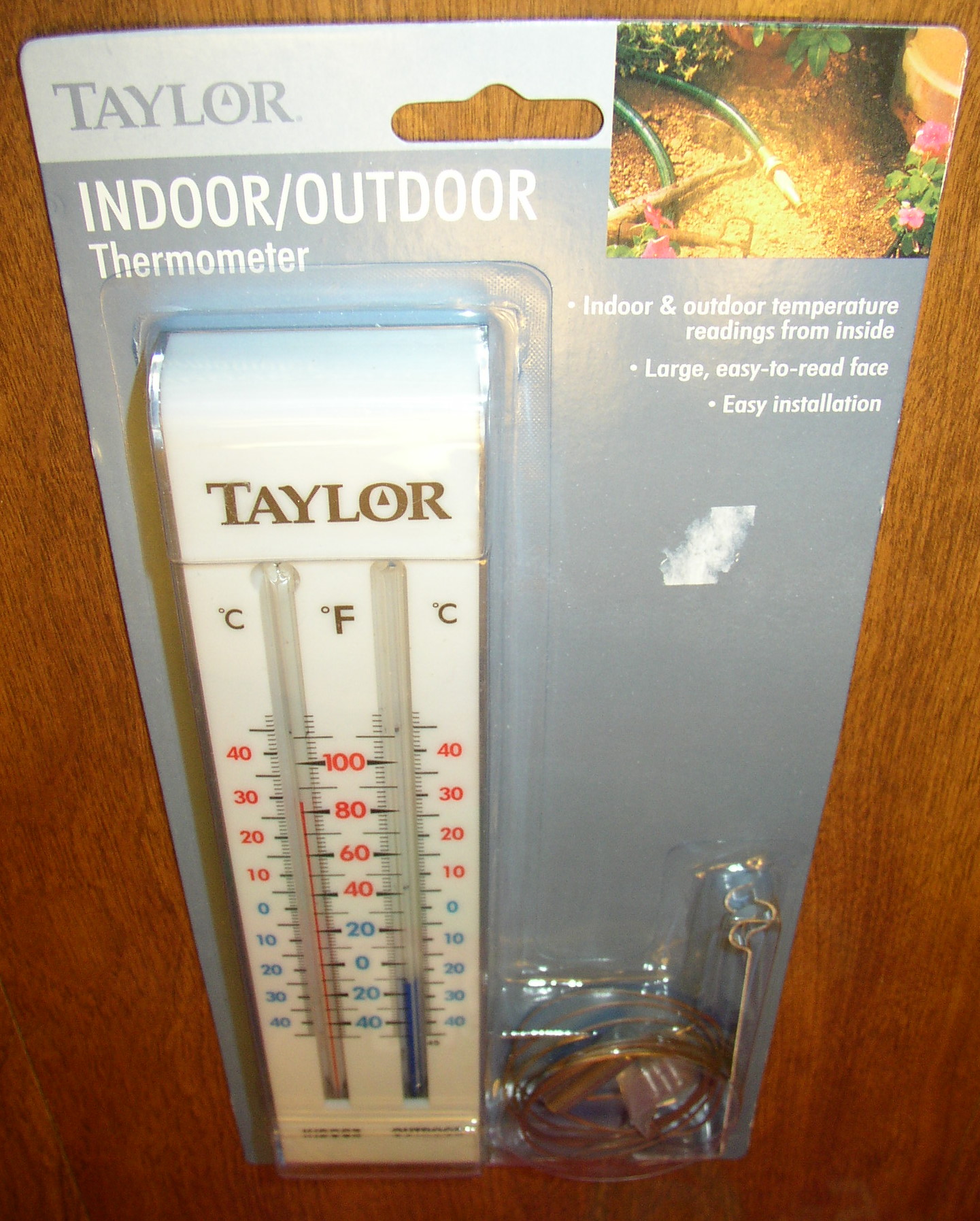
A thermometer that reads 2–3°C off can cause a furnace to cycle incorrectly, lead to over-humidification, or mask a ventilation problem. These are the three most common issues Canadian homeowners encounter with indoor temperature instruments.
Sensor Drift Over Time
Analog and basic digital thermometers can shift readings by up to 3°C after several years of use, particularly in environments with wide temperature swings common in Canadian winters.
Incorrect Placement
A sensor mounted near an exterior wall, above a heating vent, or in direct sunlight will consistently misread the actual ambient temperature of a room by a significant margin.
Reference Point Confusion
Celsius and Fahrenheit are still mixed in many Canadian households, especially with older appliances. A thermostat set in the wrong unit can result in unexpected comfort or heating costs.
Featured Articles
Guides for Canadian Homes
Three focused articles covering calibration methods, sensor positioning, and how to read indoor temperature data in the context of Canadian climate conditions.

How to Calibrate a Home Thermometer
Step-by-step methods for checking accuracy using ice water and boiling point references, with notes on instrument types commonly found in Canadian households.
Read article
Best Placement for Temperature Sensors
Where to mount sensors in bedrooms, living areas, and basements for reliable ambient readings throughout a Canadian winter heating season.
Read article
Reading Indoor Temperature Data in Canada
How to interpret multi-zone readings, understand temperature differentials between floors, and identify signs of insulation or ventilation issues.
Read articleQuick Reference
Common Indoor Temperature Ranges
Health Canada and the Canadian Centre for Occupational Health and Safety publish general guidance on indoor temperature comfort and safety. The figures below reflect typical recommendations for residential settings.
| Room / Condition | Recommended Range (°C) | Notes |
|---|---|---|
| Living areas (daytime) | 20–22°C | Typical occupied comfort range for Canadian winters |
| Bedrooms (sleeping) | 16–19°C | Cooler rooms are generally associated with better sleep quality |
| Basement (unfinished) | 13–18°C | Below 13°C can indicate inadequate insulation or heating issues |
| Garage (attached, heated) | 5–10°C minimum | Prevents pipe freeze and preserves stored items |
| Elderly or infant spaces | 22–24°C | Health Canada notes higher sensitivity to cold in these groups |
Source reference: Health Canada — Your Health & Home Temperature
About This Resource
What Valintate Covers
Calibration Methods
Two standard reference methods — the ice bath test and the boiling point test — are explained in plain language, with adjustments for altitude and instrument type. Both methods rely on known physical constants and require no special equipment beyond a kitchen thermometer and a container of water.
Canadian Climate Context
Temperature readings mean different things depending on whether a home is in Vancouver, Winnipeg, or Halifax. Regional heating degree days, humidity patterns, and construction standards all affect how to interpret what a thermometer shows. Articles on this site address those differences directly.
Sensor Technology
From basic bimetallic strip thermometers to wireless NTC sensors, the articles distinguish between instrument types and explain why some are more accurate than others in specific home environments.
No Sales Agenda
This site does not sell thermometers or recommend specific brands. The information is structured to help homeowners work with whatever instruments they already have, and to know when a replacement or recalibration is genuinely necessary.